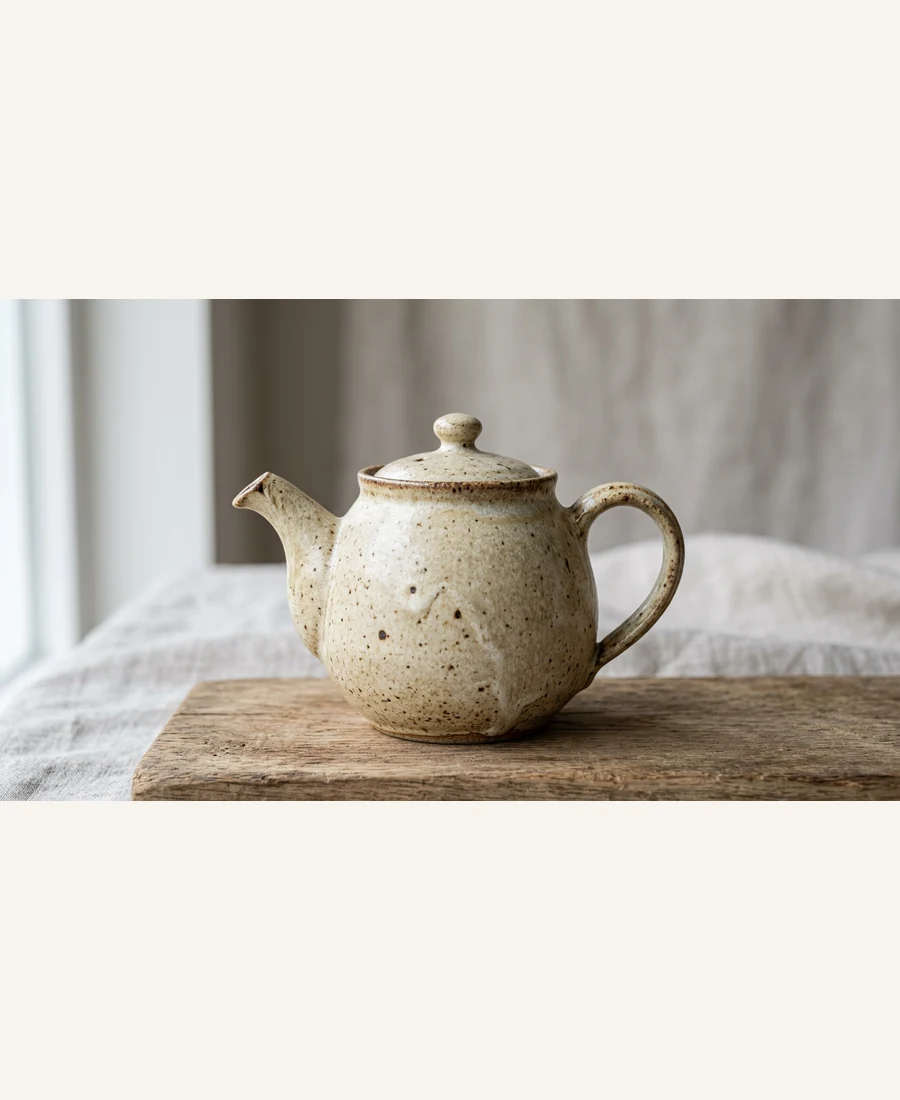
Why The London Pottery Company still belongs on British worktops
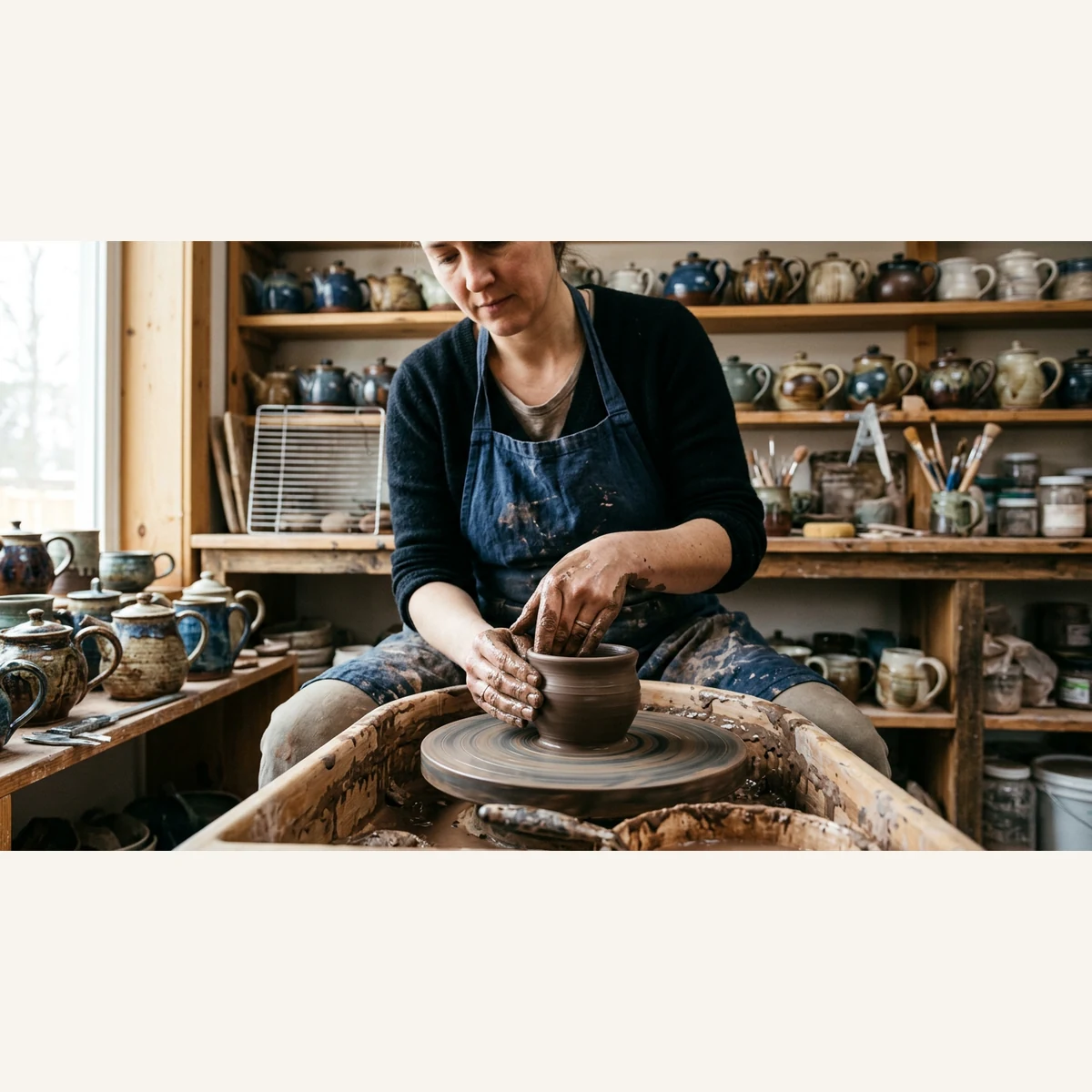
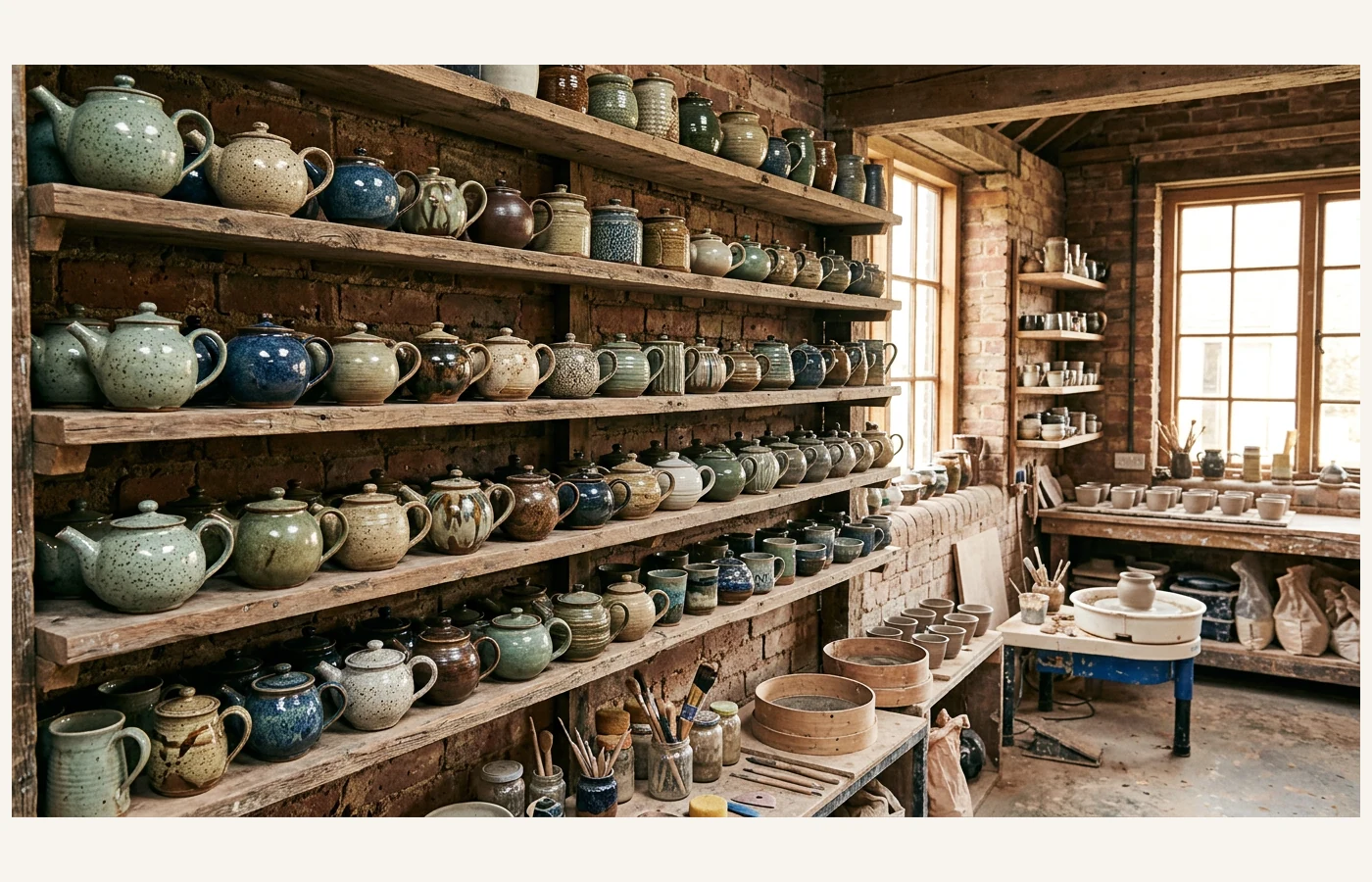
The London Pottery Company was founded by ceramist David Birch, who wanted stoneware that behaved as politely as it looked. The idea was simple: combine traditional British proportion with modern expectations around filtration, cleaning, and everyday durability. Over time, that discipline became a recognisable language of curves, glaze depth, and spouts you can trust when you are half awake on a Monday.
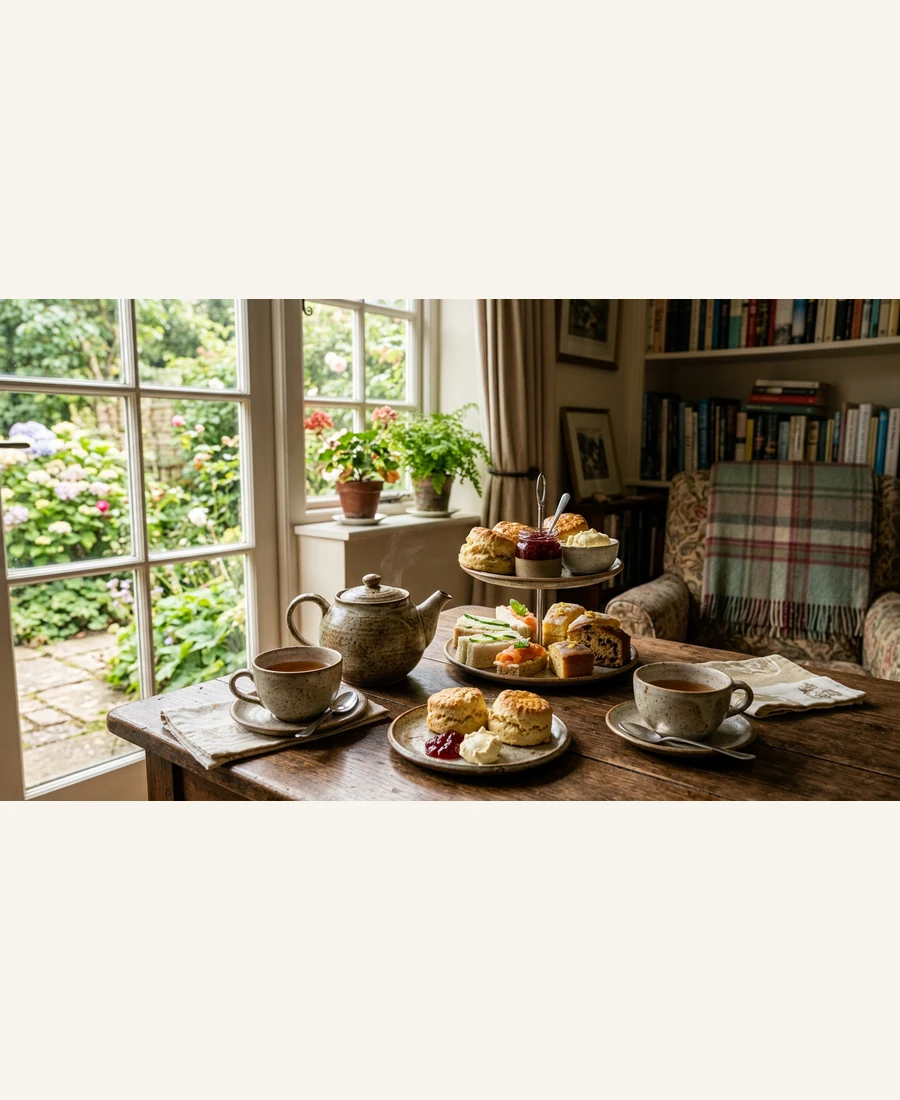
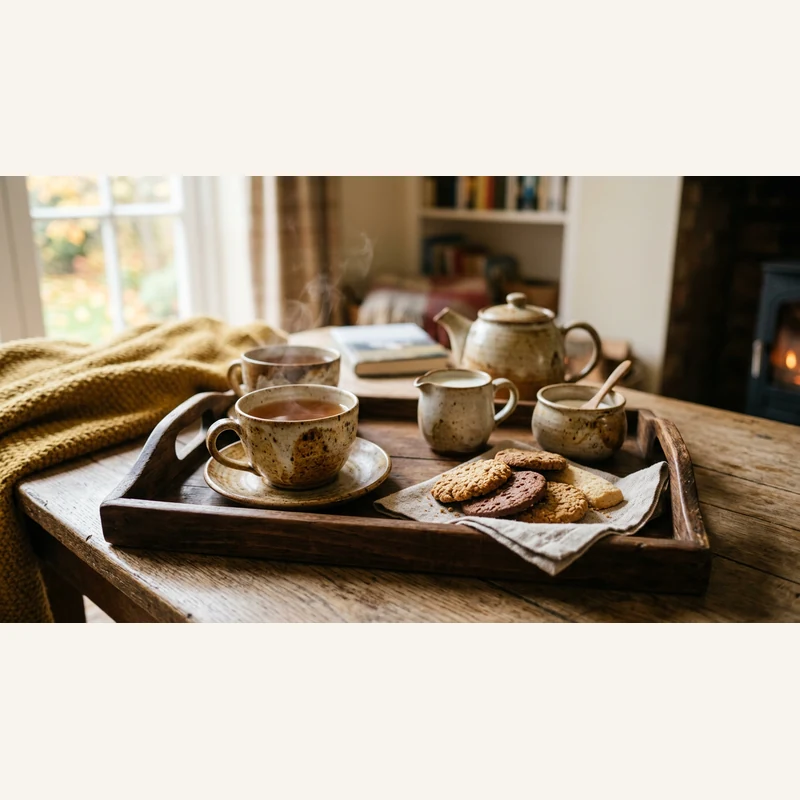
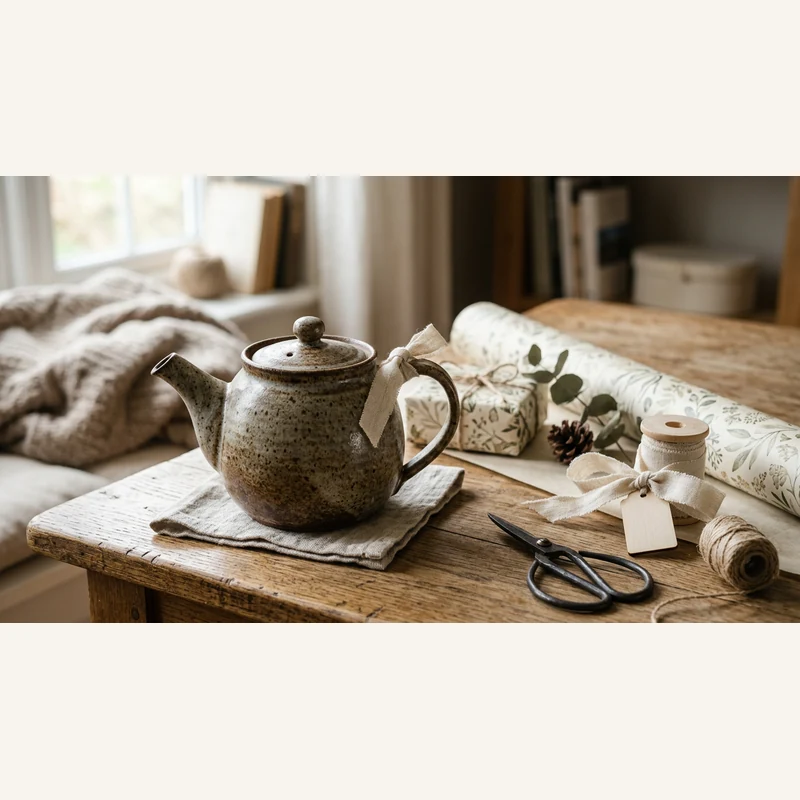
Stoneware is not a trend material. It is dense, calm, and reassuringly heavy in the hand. That weight helps with heat retention during a long brew, and it signals a pot that will not skid across the table when you lift the lid. We design for households that brew tea often, share pots with visitors, and care about the small theatre of pouring without splashing the biscuits.
Globe and Farmhouse: two silhouettes, one pouring ethos
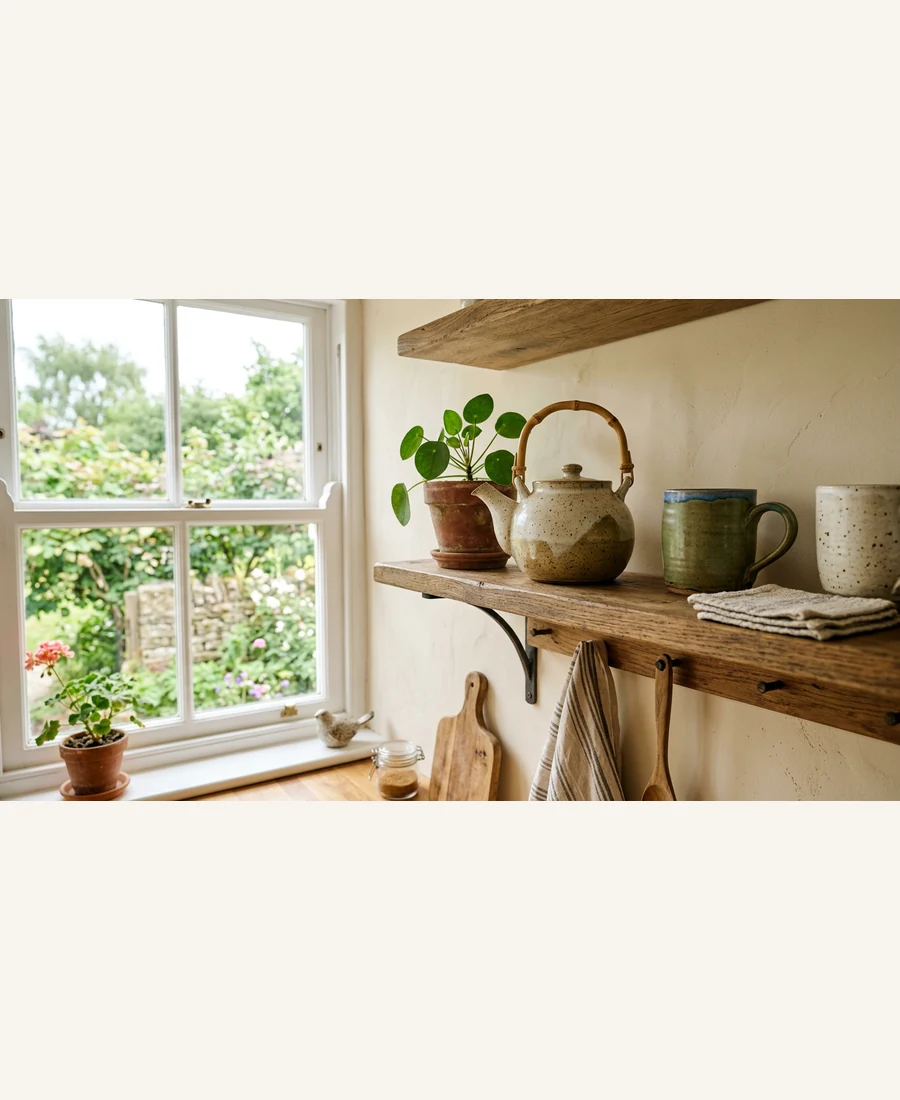
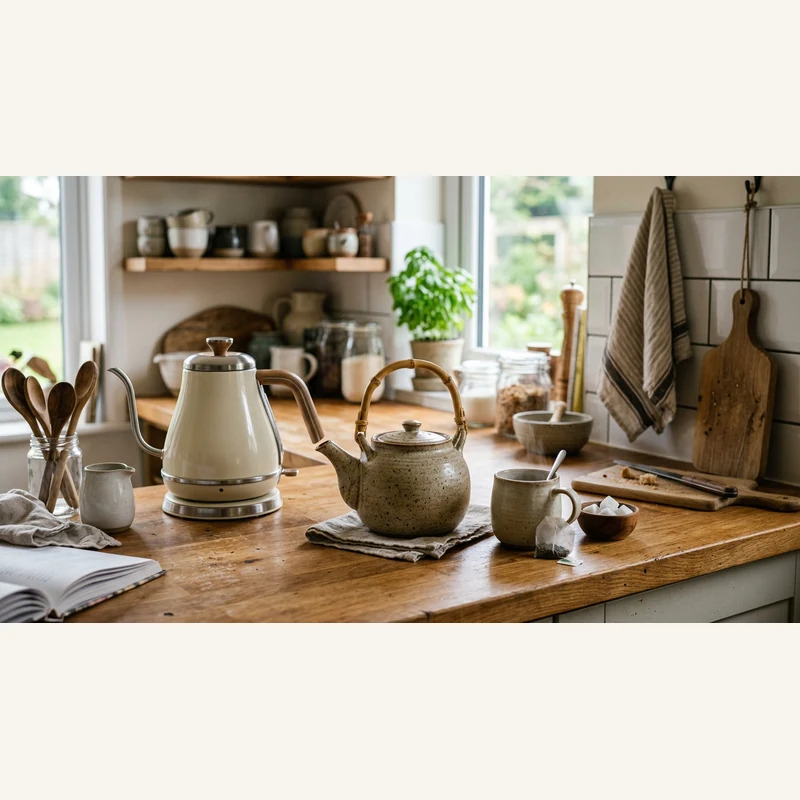
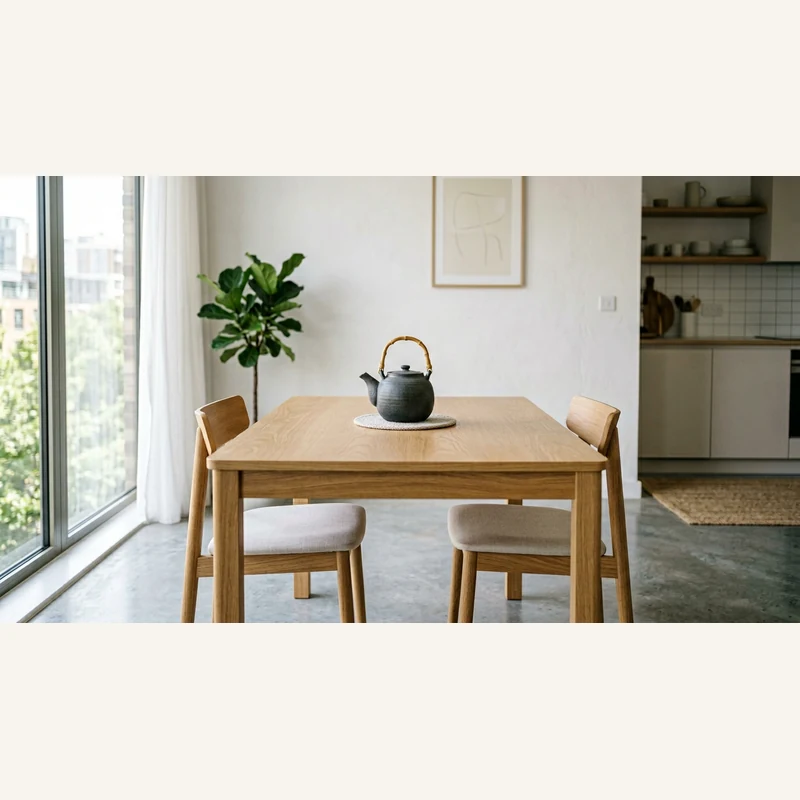
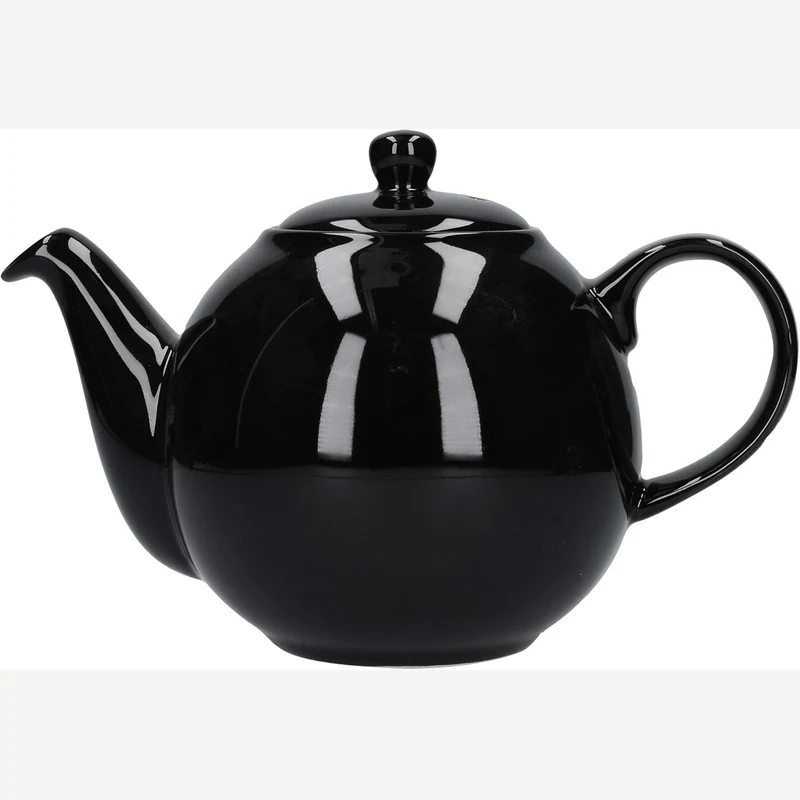
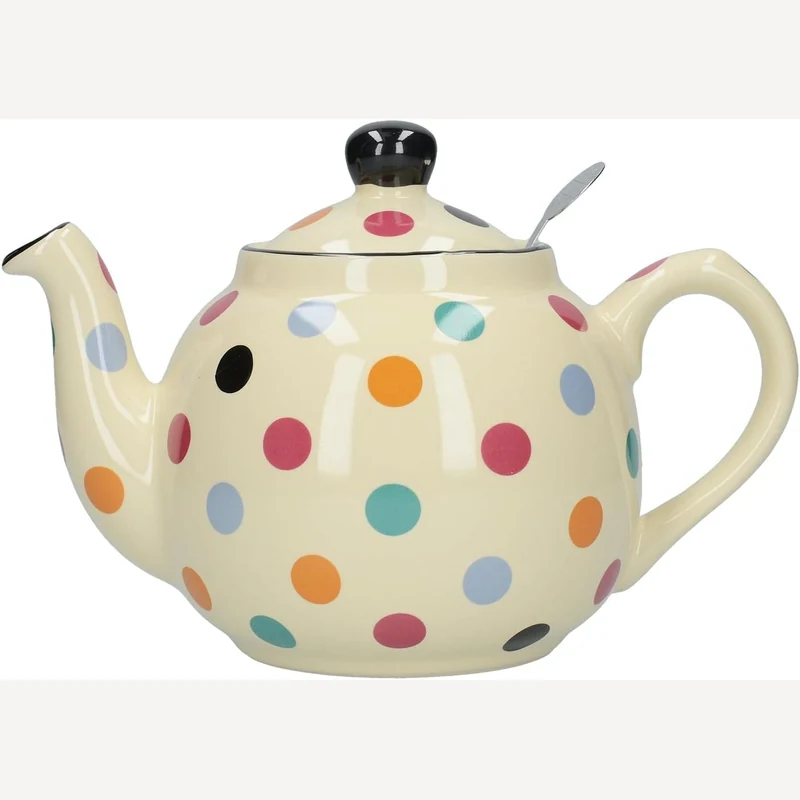
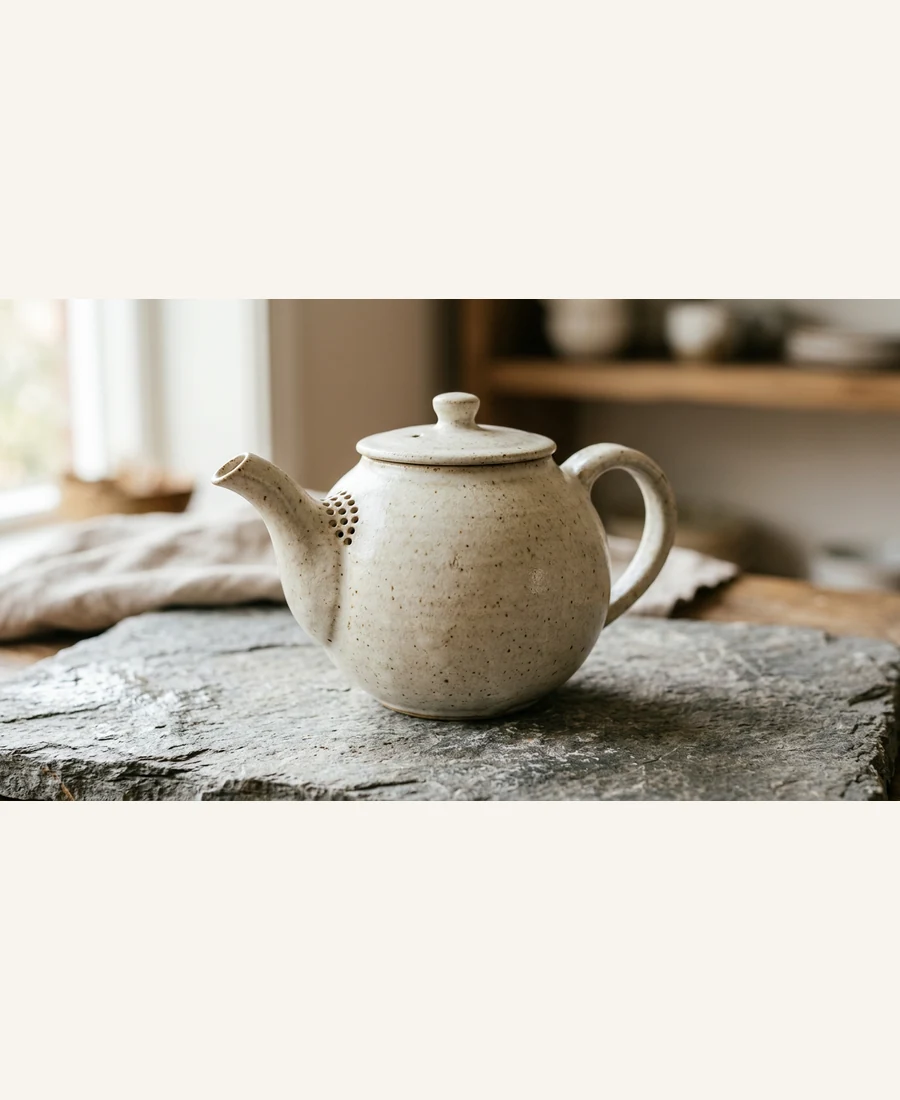
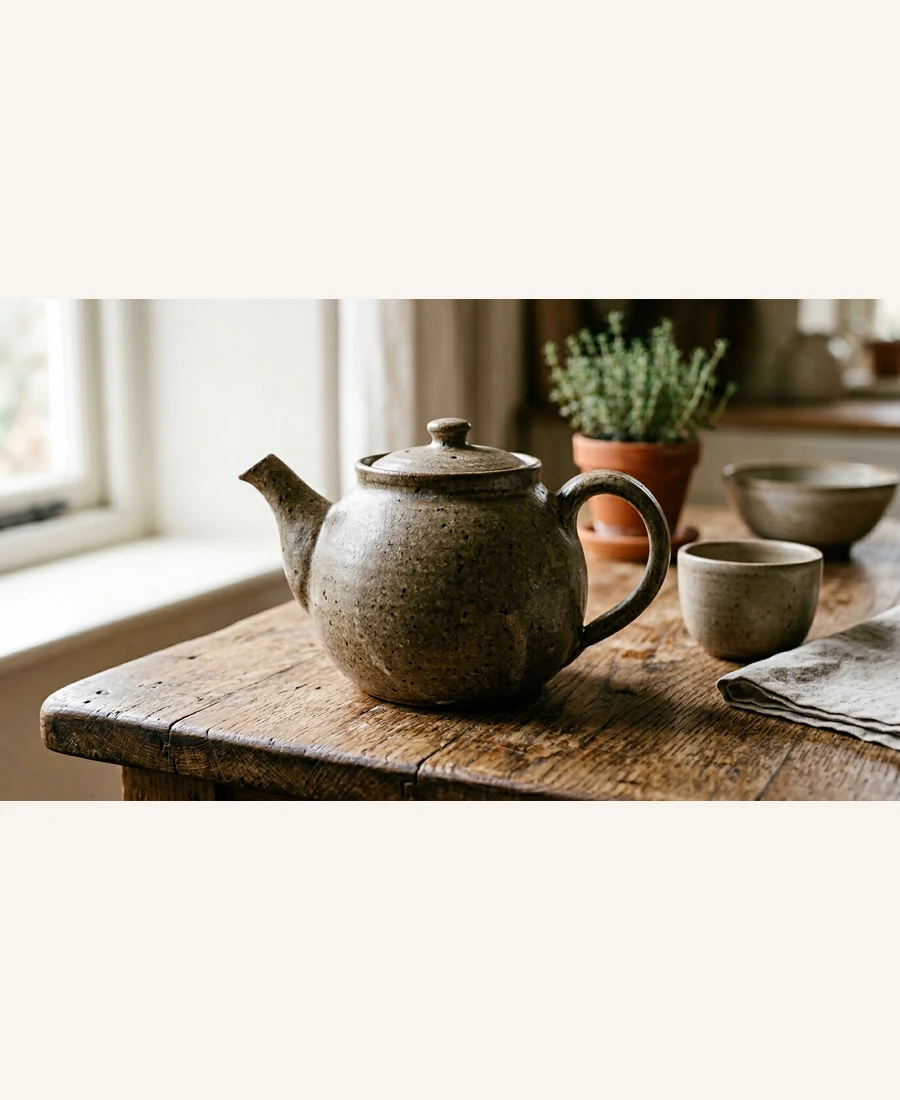
The Globe profile is instantly recognisable: a balanced roundness that feels contemporary in a city flat and cosy in a country kitchen. The Farmhouse line keeps a straighter shoulder and a more nostalgic stance, ideal if your kitchen mixes wood, painted cabinets, and a peg rail of practical tools. Both families are united by the same obsession with a drip-free spout, because the best teapot in the world is still the wrong teapot if you need kitchen roll on standby.
What drip-free really means in daily use
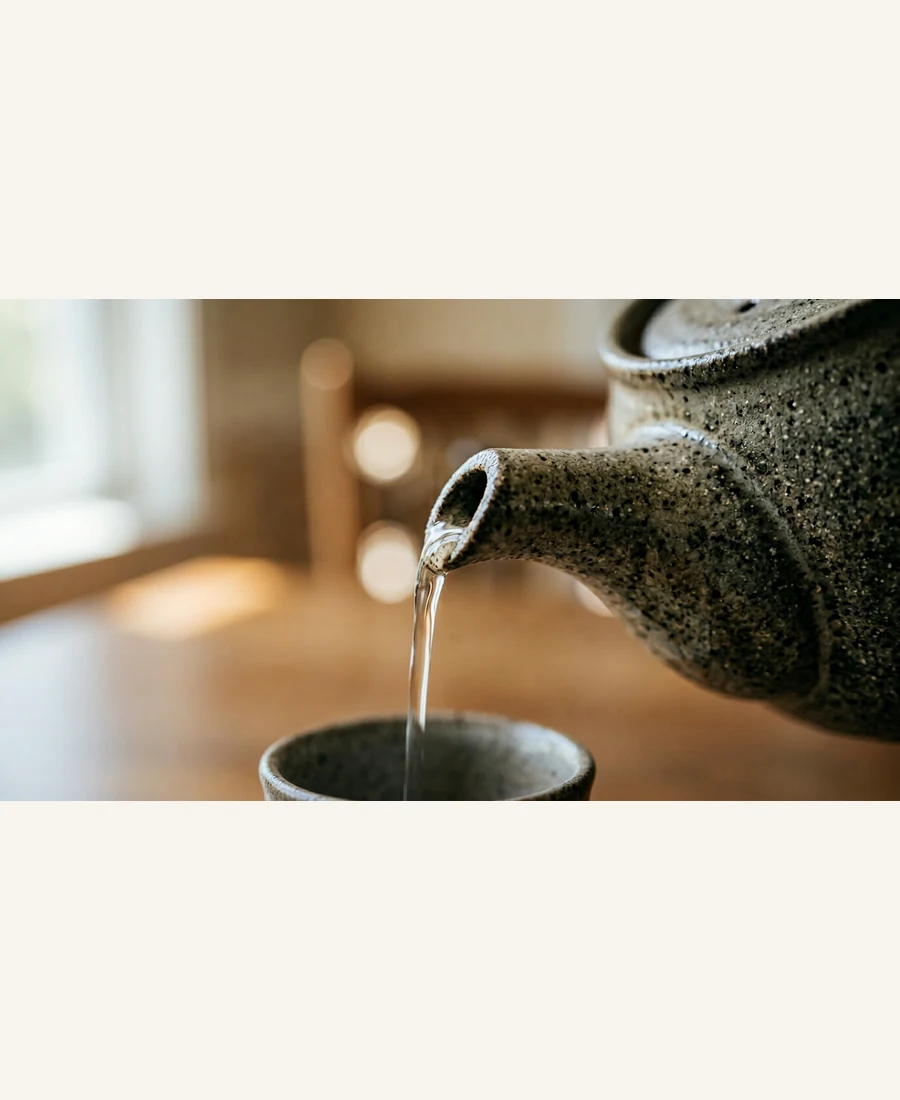
Drip-free pouring is part geometry, part glaze finish, and part disciplined quality control. A spout that finishes cleanly reduces stress, keeps worktops presentable, and makes tea feel more generous. It also matters for guests: nobody should leave your table with a tea stain marching down the linen. If you have ever owned a beautiful pot that could not pour, you know why this detail is non-negotiable.
Built-in filters and the end of lost basket drama
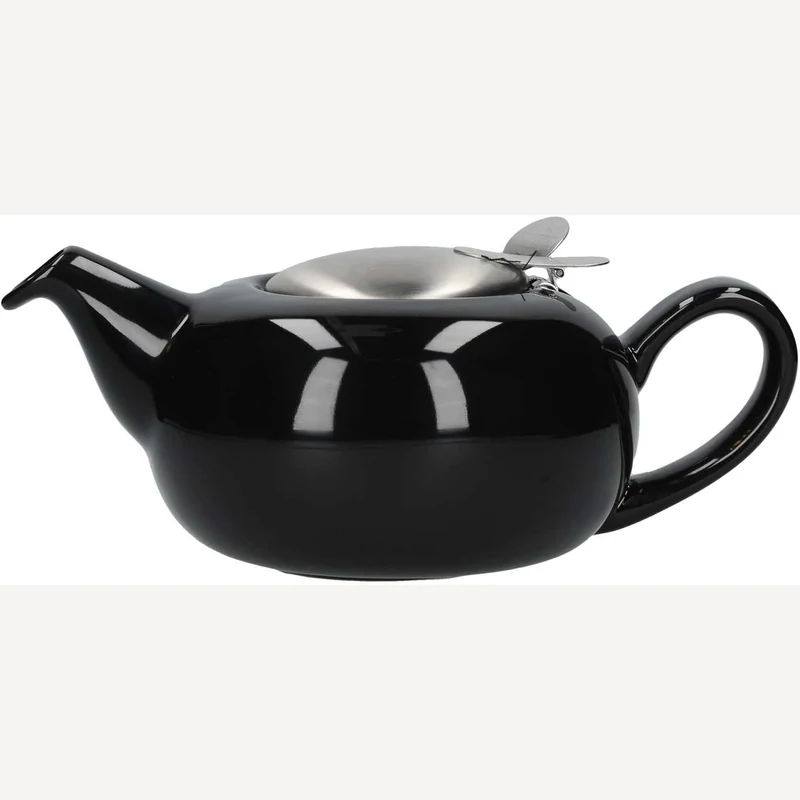
Many of our teapots include a built-in filter that supports loose leaf without a separate basket to hunt for at closing time. The goal is a calmer routine: scoop, brew, pour, rinse. You still get clarity in the cup, but you lose a little clutter in the drawer. For households that alternate between bags and loose leaf, that flexibility can quietly change the rhythm of the day.
Storage jars that earn their footprint
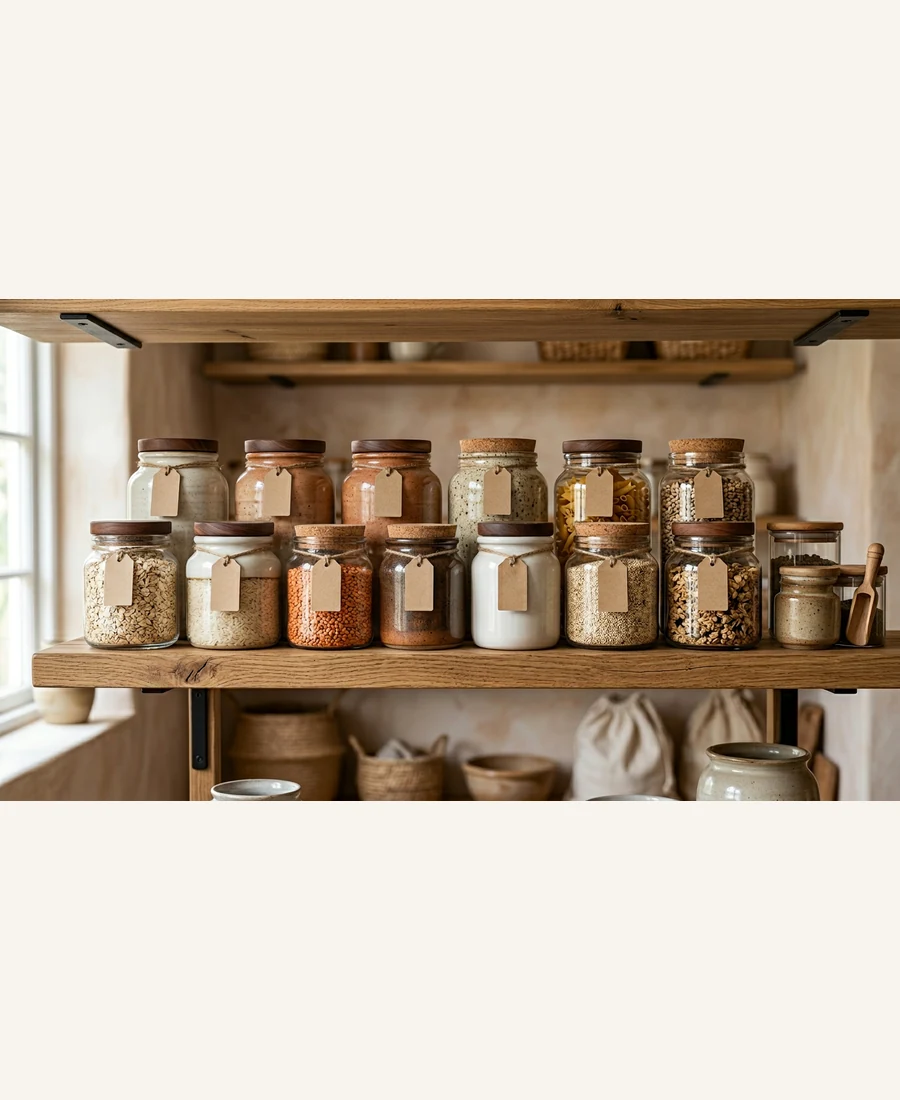
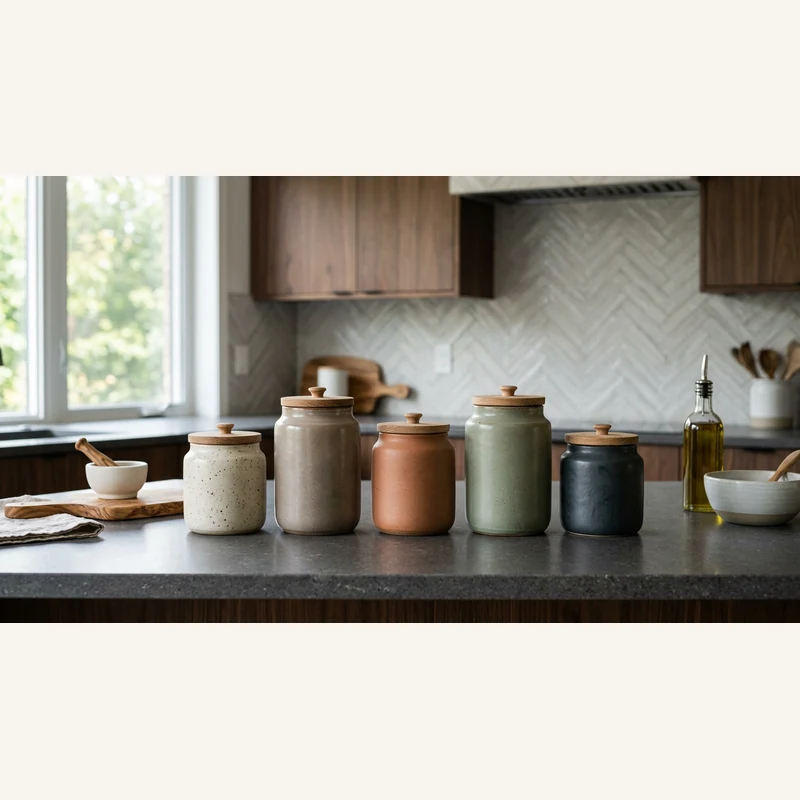
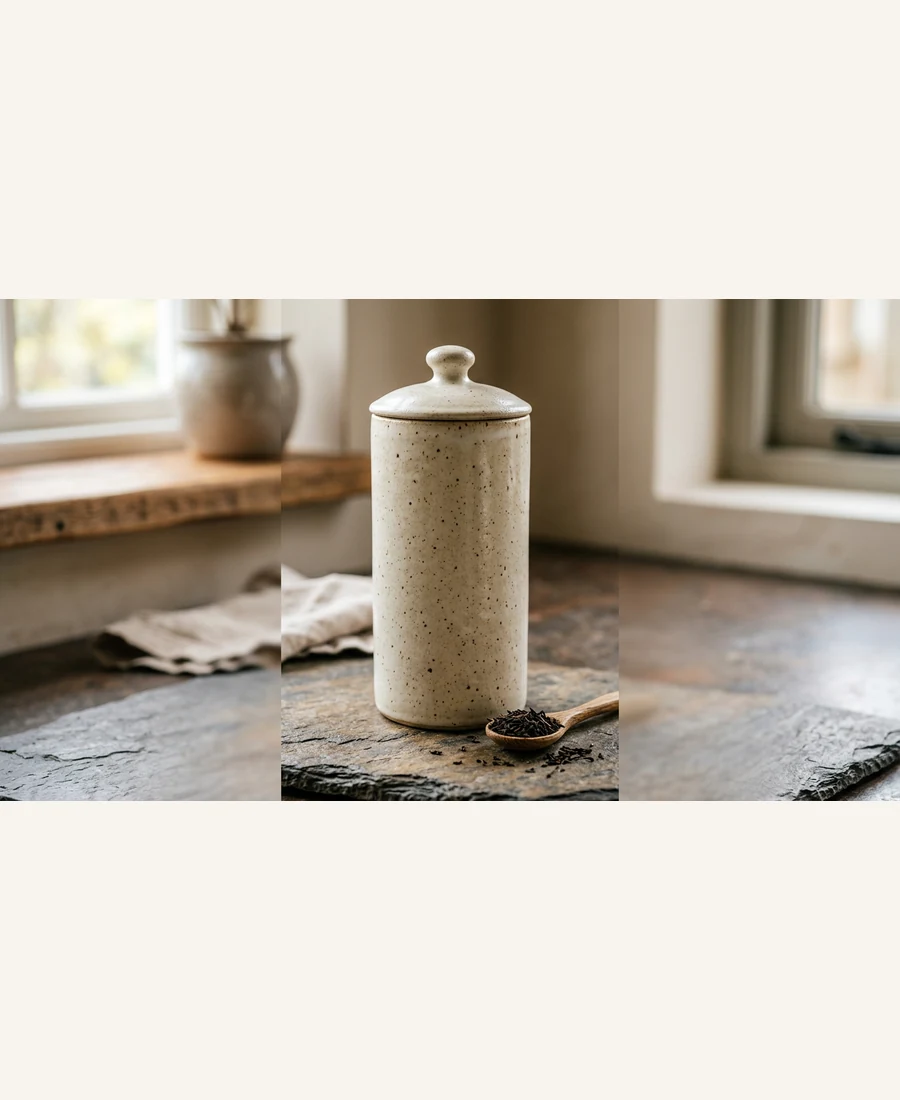
Our storage jars follow the same practical philosophy. A good canister should seal predictably, open without a wrestle, and look composed when the cupboard door swings wide in front of a guest. Matching stoneware across tea, coffee, and sugar brings visual quiet, especially in open-plan kitchens where every surface tells a story.
Care habits that protect your investment
Treat stoneware with sensible heat habits: avoid shocking ice-cold pots with boiling water, and let a pot warm with a splash of hot water if you are cautious. Most everyday marks lift with baking soda paste and patience. If you use a dishwasher, give pieces space so they do not knock, and check manufacturer guidance for your specific glaze line. The reward is decades of steady brewing, not a cupboard of chipped regrets.
If you are comparing options, start with how you actually brew: big pots for family weekends, smaller volumes for desk breaks, loose leaf versus bags, and how much worktop space you can surrender. Then choose a silhouette that matches your kitchen's personality. When you are ready for value without compromise, our outlet edits highlight thoughtful reductions, and our reviews hub gathers candid notes from real routines.
We believe the best kitchen objects are the quiet ones: dependable, well-mannered, and easy to reach for. That is the standard behind The London Pottery Company, and it is the standard we hold every time we shape another teapot for British tables.