
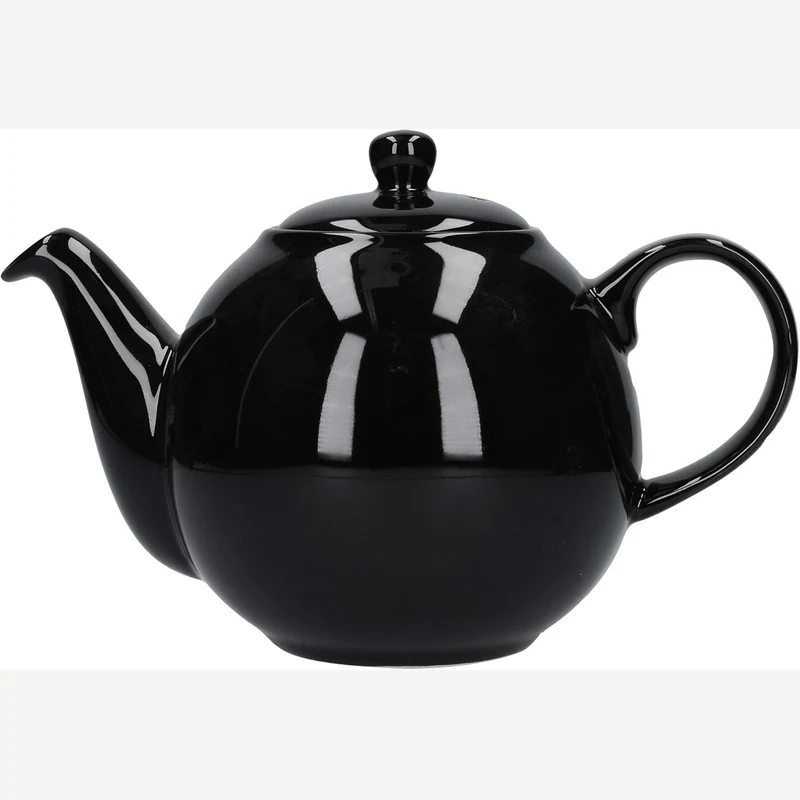
Storage jars that make pantries feel organised
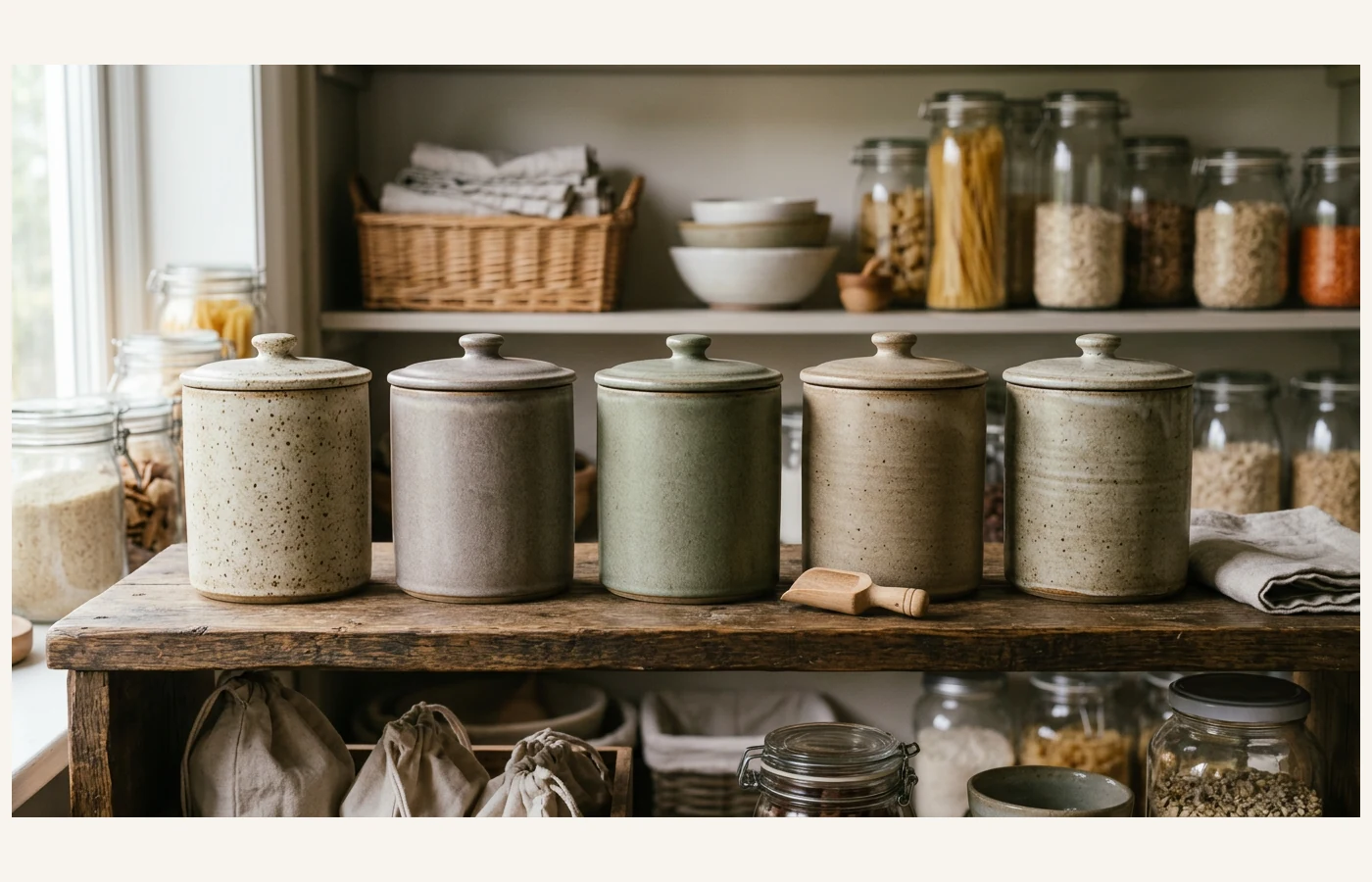
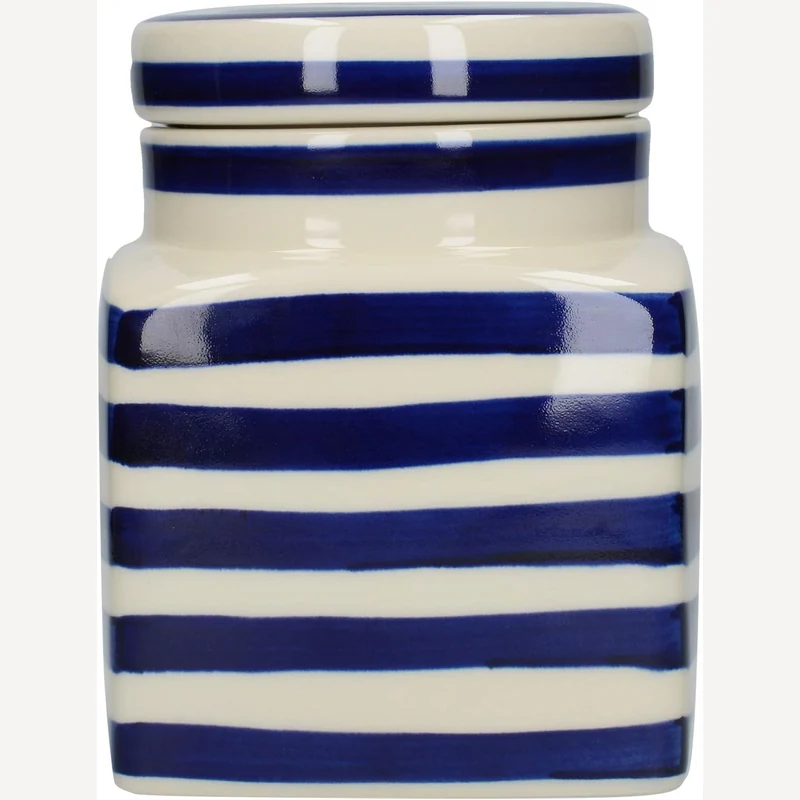
A calm kitchen often begins behind a cupboard door. The London Pottery Company approaches stoneware storage jars with the same practicality applied to teapots: predictable lids, satisfying weight, and a visual rhythm that looks composed even when life is not.
Why airtight behaviour matters for loose tea
Tea leaves dislike humidity, light, and chaotic temperature swings. A lid that seats cleanly helps protect aroma and colour, which means your favourite blend tastes closer to the day you opened the pouch. Coffee behaves similarly: whole beans and grounds both benefit from storage that feels deliberate rather than improvised.
Matching sets and visual quiet
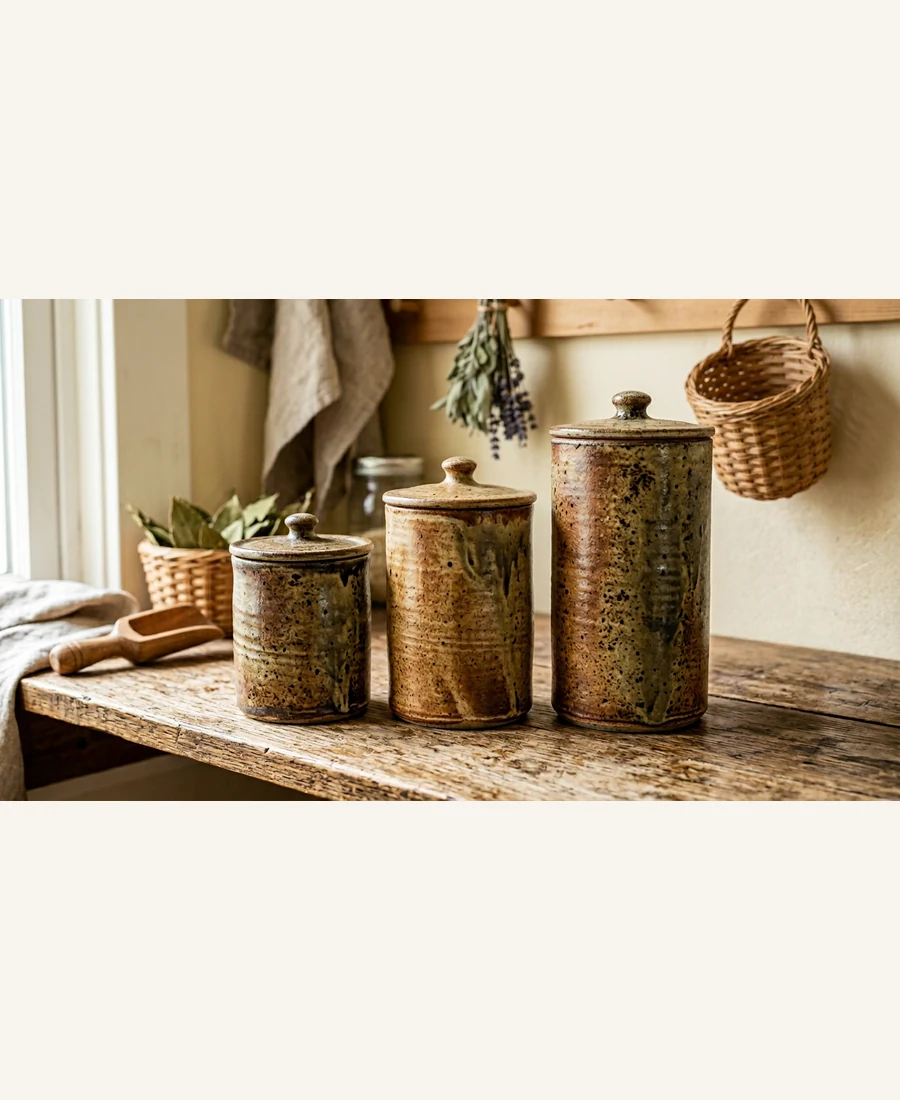
When canisters share a glaze family and proportion, your shelf reads as intentional. That matters in open kitchens where guests can see your workflow. Matching stoneware also makes rotation easier: you learn the feel of each lid, so morning routines require less thinking. Visual quiet is not vanity; it is a form of ergonomics.
Labelling habits that survive busy weeks
Use labels that tolerate steam and wiping, and refresh them when you switch contents. If children share the kitchen, simple words beat cryptic codes. Consider keeping baking goods separate from beverage leaves to avoid crossed scents. A small discipline in labelling prevents the maddening moment when you realise sugar went into a brew that expected salt.
Countertop versus larder placement
Frequently used leaves can live near the kettle if light exposure is gentle and the room does not become baking hot. Rare blends belong in a darker cupboard. Stoneware’s weight helps jars stay put when drawers slam elsewhere in the house. Think about traffic patterns: place the tea jar where your hand naturally travels after the kettle clicks off.
Cleaning without harsh abrasion
Rinse with warm water and mild detergent, and avoid metal scourers that can mark glaze. If odours linger from spices, a paste of bicarbonate of soda and patience often helps. Allow jars to dry fully before refilling, especially in humid weather. Gentle habits preserve both appearance and seal behaviour.
Coordinating with teapots you already love
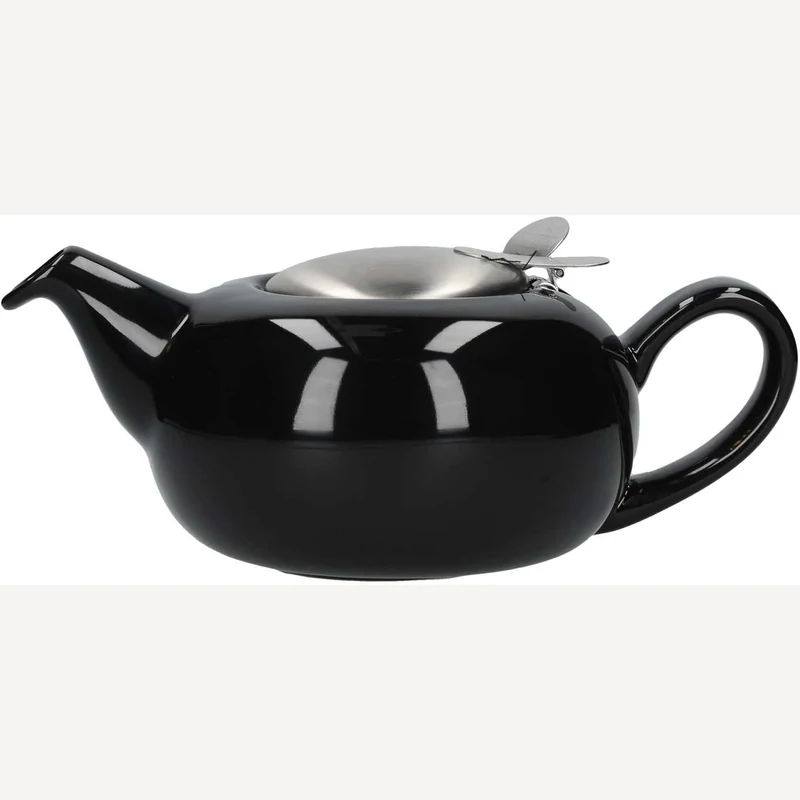
If you already brew with our stoneware teapots, jars in the same design language create a calm station from kettle to larder. The combination also makes gifting easier: a pot plus a matching canister feels complete without looking overly packaged.
Outlet opportunities for canister sets
Look for coordinated value in the sale edits when you want to refresh a shelf without replacing every item at once. Read notes carefully: minor glaze variation can be charming in stoneware, provided seals remain dependable.
Feedback from real pantries
Customers often mention lid confidence and shelf stability in reviews. Those details emerge only after repeated opening and closing, which is why we treat seals as seriously as spouts. If you are weighing jar heights, consider vertical clearance in your cupboard and whether you stack.
Rotation routines that protect freshness
Even with excellent jars, rotation matters. Bring older leaves forward on the shelf and finish them before opening new pouches when flavours overlap. Note purchase dates on labels if you buy in bulk during travel or from small blenders. If a jar ever picks up an unexpected scent, deep-clean and air-dry thoroughly before refilling; stoneware is forgiving, but hygiene habits keep flavours honest.
For households that bake as well as brew, consider dedicating separate jars to strong spices and delicate tea. Cross-aromas are frustrating and expensive. If space is tight, use one shelf for beverage ingredients only. The modest discipline saves money over a year because fewer leaves are ruined by stray cinnamon or clove.
Buying your first coordinated set
Start with three heights if you drink tea, coffee, and sugar; add a taller jar if you keep pasta or flour nearby for weekend baking. Measure shelf depth before ordering, including any lip on the door. If you prefer symmetrical rows, choose uniform diameters; if you like a more relaxed dresser look, vary heights but keep glaze families aligned. The goal is a shelf that feels intentional when opened quickly before guests arrive.
Small flats and shared kitchens
When cupboard space is tight, prioritise one tall jar for everyday tea and a second shorter jar for coffee or sugar. Use stackable boards or shallow trays so jars lift out without scraping shelves. In shared houses, agree on a simple labelling rule so housemates do not guess incorrectly at six in the morning. Clear routines prevent waste and keep peace.
Return home for the full brand story, or explore teapots if your next upgrade begins at the kettle rather than the larder.