
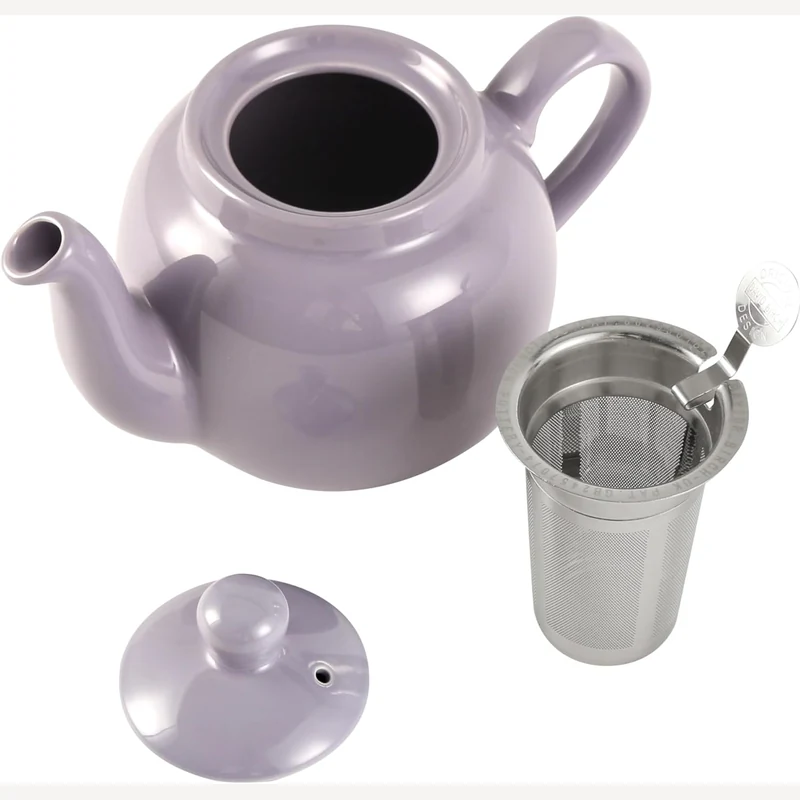
Stoneware teapots engineered for a tidy pour
The London Pottery Company has long been associated with high-quality stoneware teapots that combine British proportion with modern brewing habits. If you are upgrading from a dribbly spout or a pot that loses heat too quickly, start here: shape, capacity, and filtration should work together, not fight each other.
Why stoneware feels different on busy mornings
Stoneware carries reassuring weight. That mass helps with heat retention, so the second cup is still pleasurable rather than lukewarm. It also anchors the pot when you lift the lid or remove a filter, which matters in households where tea is made while toast browns and the radio chatters. Unlike thin materials that feel nervous on the table, stoneware reads as settled and durable.
Globe versus Farmhouse: choose by kitchen personality
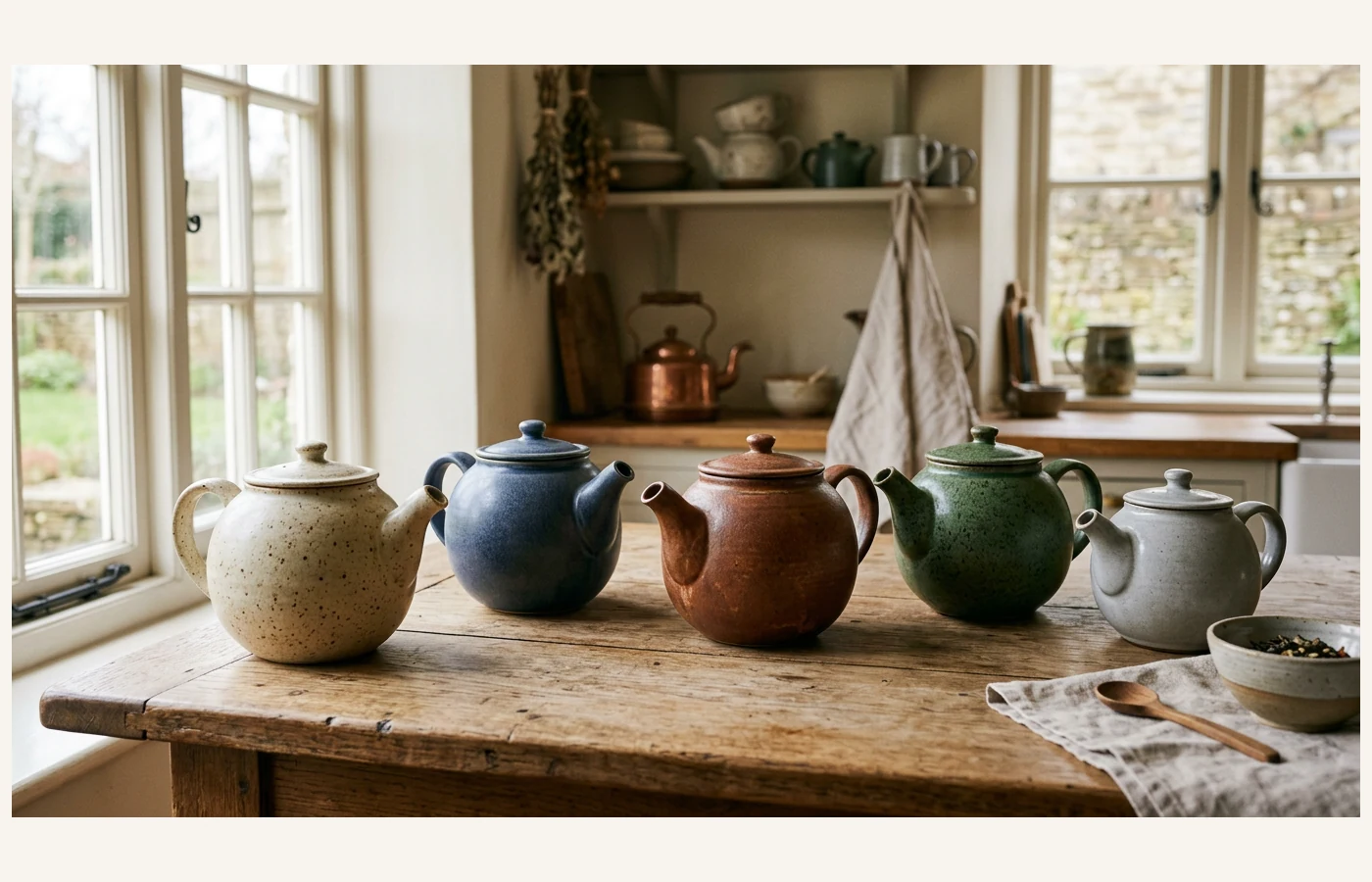
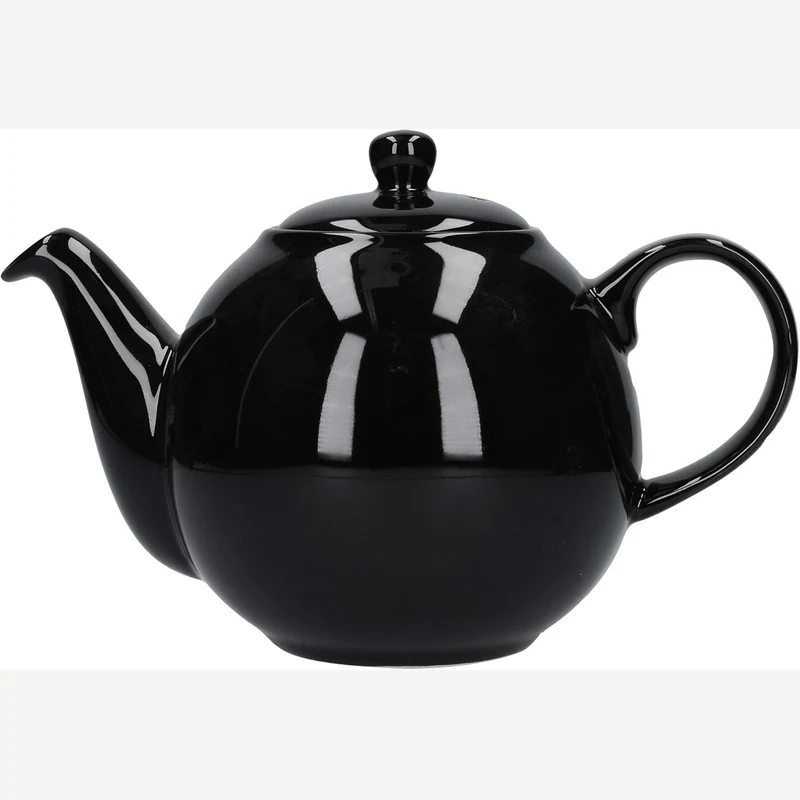
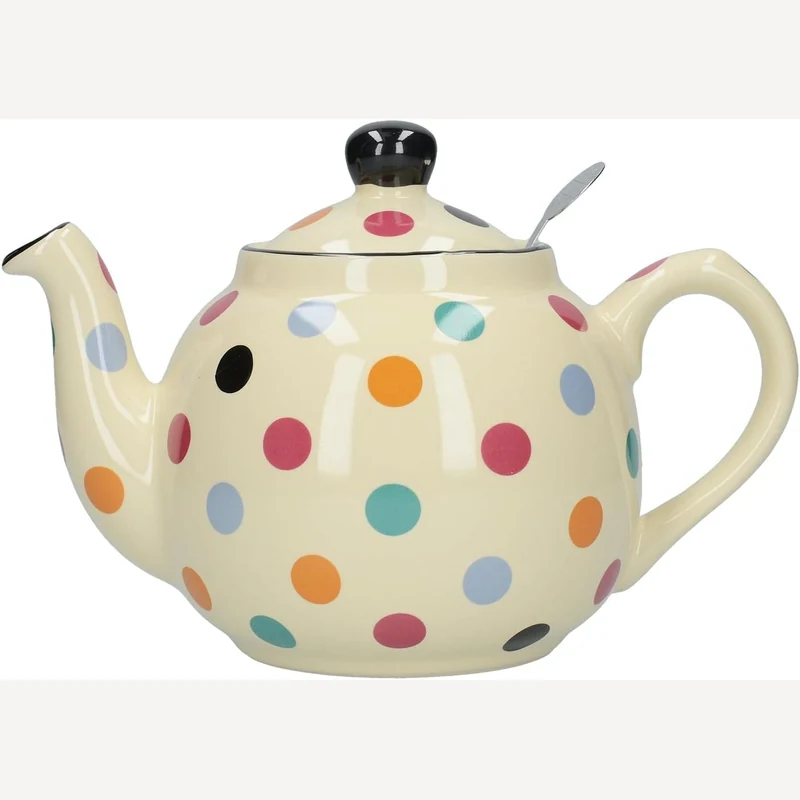
The Globe silhouette is softly spherical, modern without being cold, and easy to place in both compact flats and open-plan kitchens. The Farmhouse line keeps a more traditional shoulder and a friendly, nostalgic stance that pairs beautifully with painted cupboards, wooden worktops, and peg rails of practical tools. Both families share the same pouring discipline: a spout that finishes cleanly, because a beautiful pot should not punish you with stains.
Built-in filters and the rhythm of loose leaf
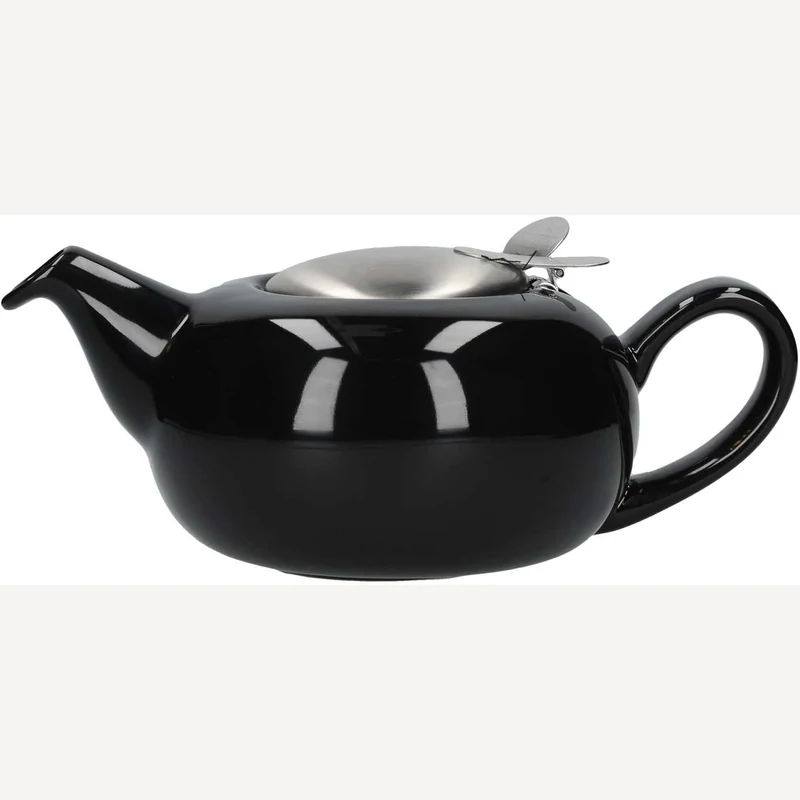
Loose leaf rewards patience, but it should not require a treasure hunt for tiny baskets. Many of our teapots include a built-in filter that supports leaf while keeping the routine simple: scoop, brew, pour, rinse. If you still use bags on hectic days, the same pot should accommodate them without awkward balancing. The goal is fewer steps between you and a calm cup.
Capacity questions worth answering before you buy
Think about your typical brew: is it a generous pot for two visitors, or a modest volume for one person who refills often? A pot that is too large for your habit can feel wasteful; a pot that is too small creates endless back-and-forth with the kettle. Measure your favourite mugs, estimate how many you serve at peak times, and choose a capacity that matches reality rather than imagination.
Care habits that protect glaze and handles
Avoid thermal shock by warming a cold pot with a little hot water before a full brew, especially in winter kitchens. Rinse leaves promptly to prevent staining, and use a soft brush on filter slots if needed. If you dishwasher, give pieces space to avoid knocks, and always follow the guidance supplied with your specific glaze line. Thoughtful care keeps a teapot on the table for years, not months.
Pairing teapots with a calmer pantry
Tea leaves keep best when storage is dark, cool, and predictable. If your brewing station feels chaotic, consider coordinating with our storage jars so scoops, labels, and routines line up. An organised larder makes loose leaf feel effortless rather than fussy.
Outlet edits for savvy buyers
If you want value while keeping the same pouring standards, browse the outlet selection. Savings are presented honestly, with clear notes where glaze variation or end-of-line stories apply. It is a practical route for gifts, second homes, or simply a smarter basket.
What customers mention first
Pouring behaviour, handle comfort, and lid balance show up repeatedly in customer reviews. Those are the details you only notice after daily use, which is exactly why we design around them from the beginning. If you are uncertain between two silhouettes, start with the shape that matches your space, then trust your pouring habits to guide capacity.
Serving guests without performance anxiety
Weekend visitors rarely judge a teapot on its story; they notice whether the pour feels relaxed. A pot that splashes turns a generous gesture into a scramble for napkins. The London Pottery Company treats guest moments as a design benchmark, not an afterthought. Practise your pour once when the pot is new, note how full you like to brew for a crowd, and keep a small tray nearby for spoons and used bags if you offer both loose leaf and quick options.
If you alternate between dairy and plant milks, remember that fattier cups can cool tea differently; stoneware’s steadiness helps you keep timing consistent. For households that entertain often, consider keeping a secondary pot in a complementary glaze so refills do not interrupt conversation. The second pot is also practical when one brew needs decaffeinated leaves while another stays traditional.
Return to the homepage for a broader introduction to The London Pottery Company, or head straight to complementary pieces if your kitchen refresh spans more than the teapot alone.