

Customer reviews from real British kitchens
Reviews are where marketing quietens and habits speak. The London Pottery Company pays attention to repeated themes: spout behaviour, lid balance, handle comfort, glaze durability, and whether a pot still delights after the first month. This page summarises what UK customers tend to notice, without pretending every household is identical.
Pouring: the detail you cannot fake
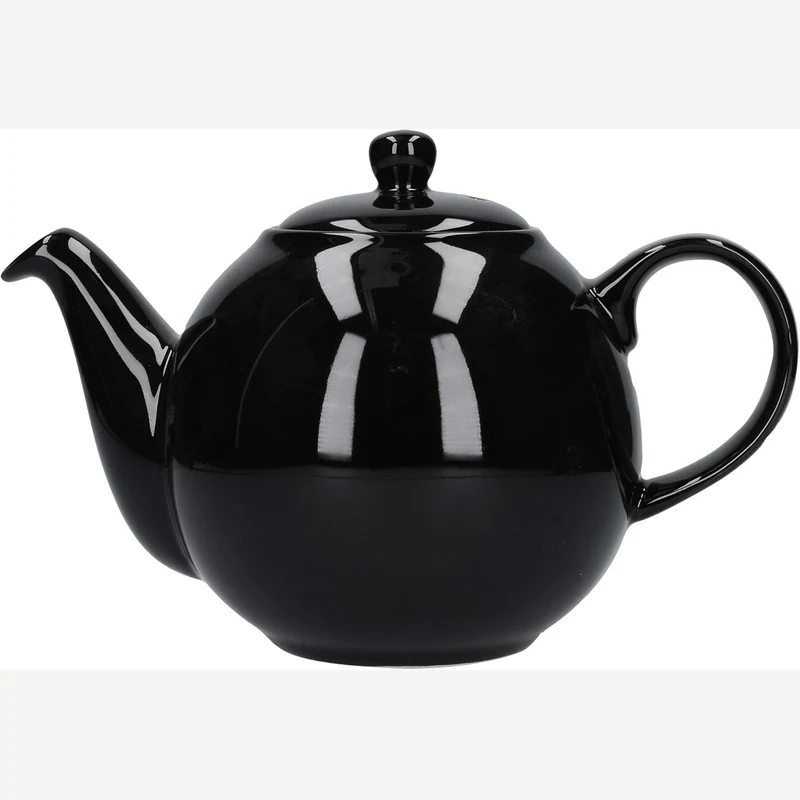
The most frequent praise mentions a clean end to the pour. People describe worktops that stay tidy, guests who comment on the pot’s manners, and a sense that the teapot respects the ritual rather than interrupting it. Criticism, when it appears, often involves mismatch of expectation—capacity too large for one person, for example—rather than a mystery flaw. That is why we emphasise sizing guidance alongside shape.
Handles, weight, and the ergonomics of a full pot
A comfortable handle angle matters more when the pot is full and hot. Stoneware’s mass helps stability, but the grip must still feel secure with a tea towel nearby. Reviewers who mention arthritis or smaller hands sometimes highlight helpful balance in our silhouettes. If you share a kitchen with mixed grips, consider testing capacity physically before committing to a very large pot.
Built-in filters: praise and realistic limits
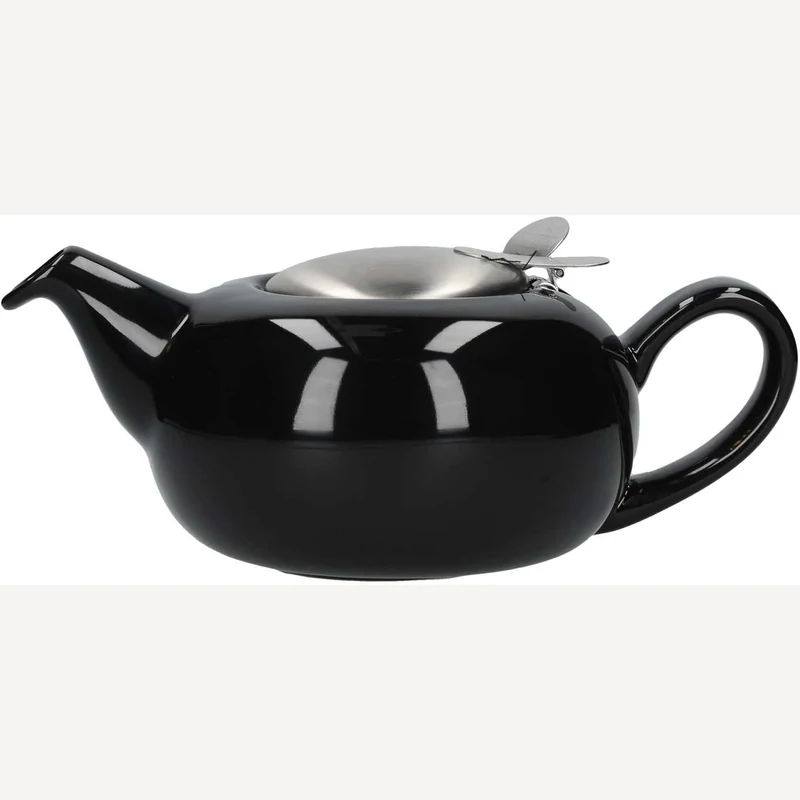
Customers who brew loose leaf regularly often appreciate fewer separate parts to wash. Those who switch between ultra-fine dust and chunky leaf may still use paper or auxiliary filters for edge cases. The built-in approach is about simplifying the median day, not banning flexibility. Reading reviews with your own leaf habits in mind keeps expectations fair.
Glaze character and batch variation
Stoneware glazes can shift subtly between firings. Most reviewers celebrate depth and warmth; occasional notes mention tonal differences across years, which is normal in ceramic production. If you need strict uniformity for a styled shoot, mention that when ordering so the team can advise. For domestic use, many people prefer the gentle uniqueness.
Storage jars: seals, sounds, and daily routines
Canister reviews often focus on the confidence of a lid seating with a soft certainty, not a grind. People describe pantries that look calmer after swapping mismatched packaging for coherent stoneware. Negative notes sometimes trace back to overfilling or storing jars in steamy zones; sensible placement matters as much as manufacturing quality.
Outlet purchases through the lens of reviewers
Outlet shoppers frequently mention value paired with honest description. When a note flagged minor variation, reviewers often report that the piece still performed beautifully. That pattern matters: it suggests transparency builds trust. Always read the listing alongside current outlet guidance rather than relying on memory from a previous season.
How to use this page while you decide
Look for clusters, not outliers. One dramatic story may be true yet unrepresentative. If dozens of mentions highlight tidy pouring, that is a signal worth weighing. Pair verbal reviews with the practical overviews on our teapots and storage jars pages so specifications and habits align.
Featured snapshots from recent feedback
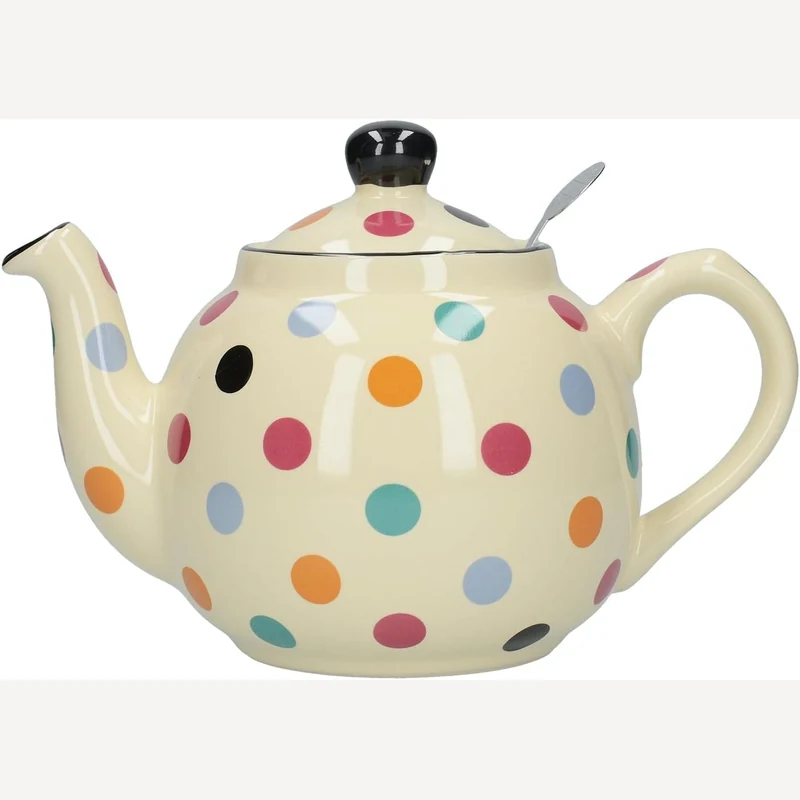
Harriet from Edinburgh mentioned finally stopping the “post-breakfast mop” once her spout behaved. Oliver from York appreciated jar lids that seat cleanly without wobble. Anita from Bristol compared globe and farmhouse shapes and valued an easy-to-rinse filter. Grace from London noted handle comfort during daily use. These snapshots mirror what we design for, but your kitchen has the final vote.
Leaving your own review responsibly
If you choose to share feedback, include your brewing method and capacity habits. Mention whether you use loose leaf or bags, and how many people you typically serve. Specificity helps future readers far more than generic stars. We welcome balanced notes: a thoughtful critique teaches as much as warm praise.
Service recovery when something goes wrong
No manufacturing category is flawless; ceramics involve heat, chemistry, and human handling. When a rare issue appears, reviewers often remember how clearly the situation was resolved. Keep your order details, describe the issue with photographs in good light, and allow the team to advise before attempting aggressive home repairs. Many concerns are simpler than they first appear, especially if glaze crazing is mistaken for a crack or if a lid feels stiff until the first gentle wash.
We learn from patterns. If several notes mention the same courier dent, we adjust padding. If a particular handle angle suits one region’s ergonomics more than another, we document guidance. Reviews are not just social proof; they are a conversation that keeps products honest.
Translating star ratings into decisions
Stars summarise; paragraphs explain. A four-star review with a thoughtful narrative may be more informative than a vague five. Look for mentions of your specific concern—pour tidiness, lid balance, filter cleaning—rather than chasing perfection. Combine qualitative notes with the practical buying guides on related pages so you order once and happily.
Continue exploring the brand story, or move from reading to choosing with the pages above.